


Introduction/Overview
Network infrastructure is an integral part of many decade-shaping technologies such as AI, ML, 5G, IoT, and digitalization. It is the building block on which all these technologies are deployed. Yet, it often remains behind the scenes and gets forgotten. This foundational technology domain is so vital that it facilitates enterprise growth and innovation.
Given the role of modern network infrastructure in businesses and digital transformation initiatives, the demand for a capable, resilient network framework has increased. The following article highlights the importance of networks and outlines some common enterprise network challenges.
What is Network Infrastructure?
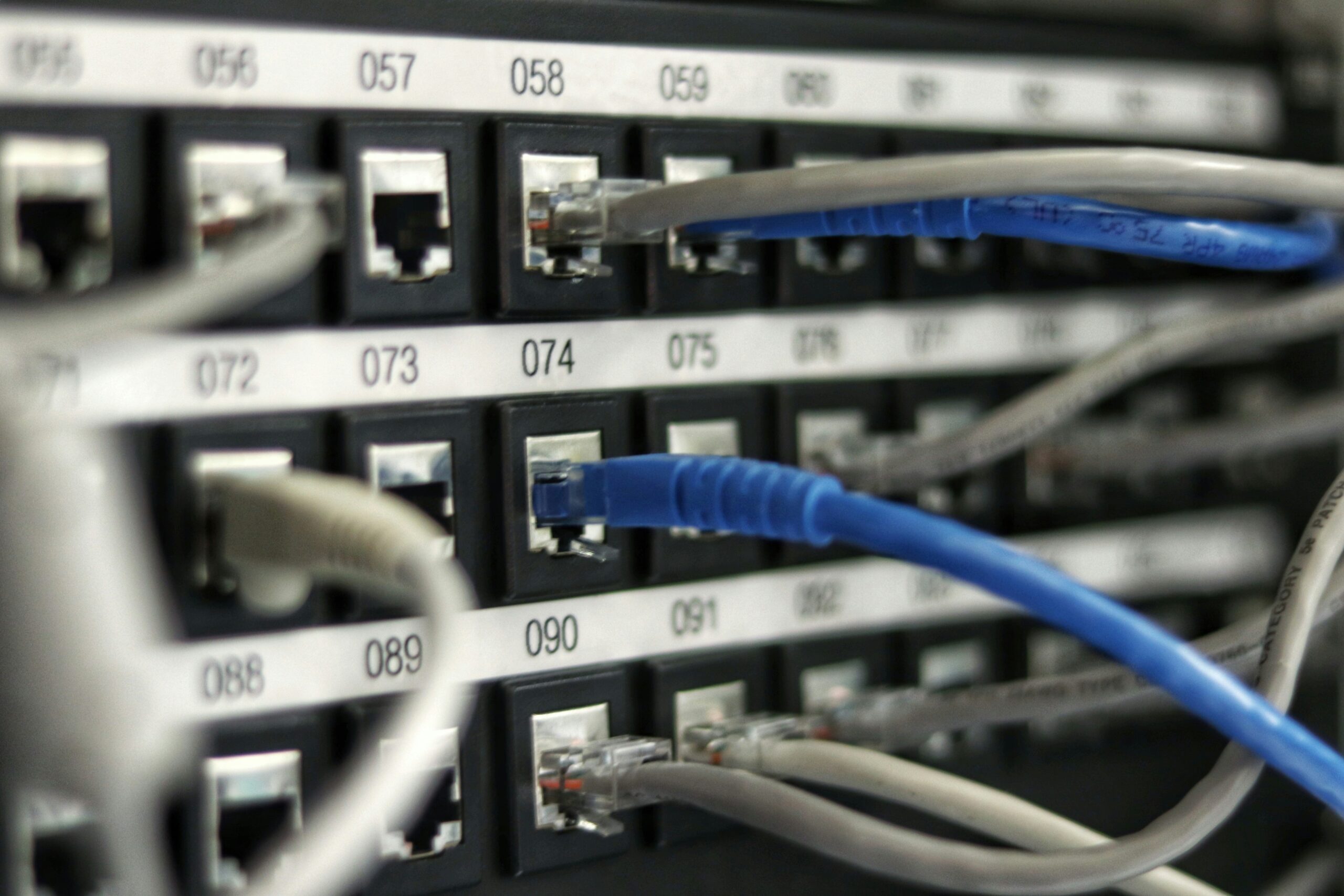
In simple terms, network infrastructure is understood as a collection of hardware, software, and services that enable communication between devices, systems, apps, users, and the internet. Though frameworks differ based on requirements, some common parts of any network infrastructure are:
Hardware – Switches, Routers, Servers, Wireless Access Points (WAPs)
Software – Network OS, SDN, Firewalls, Monitoring Tools, Virtualization Tools, Virtual Network Functions, Network Management Suites
Logical Components & Protocols – TCP/IP, DNS, IP Addressing, Security Policies, VLANs
Types of Network Infrastructure
The prominent types of network infrastructure are as follows:
Geographical Types:
LAN (Local Area Network) – LANs are private networks serving a limited geographical area, used in homes and offices.
WAN (Wide Area Network) – These networks connect various LANs across vast areas like cities, countries, or continents.
Deployment Models:
On-premise (Traditional) Networks – All networking components in this model are present within the organization’s facilities.
Cloud Networks – This model offers easy scalability without the need to invest in hardware components.
Hybrid Networks – This model provides control of on-premise environments along with the flexibility of cloud environments.
IT Network Infrastructure Services
IT network infrastructure services are the broad umbrella under which network infrastructure is considered. These services include solutions and systems that manage, build, optimize, and secure devices, people, and applications connected to the network.
In essence, network infrastructure is the logical and physical structure, while IT network infrastructure services involve processes, labor, and actions.
Importance of Network Infrastructure
The evolution of digital-native technologies and connectivity demands reinforces the need for robust and secure network frameworks. From accessing the work dashboards to visiting a website, all such processes depend on network frameworks. Unreliable networks can hamper business operations and, consequently, slow down business growth. Since a strong network is directly proportional to enterprise productivity, the lack of it can adversely affect the end-user experience. Slow and lagging performances can affect collaborative efforts and disrupt seamless user experience.
In the coming years, the future of offices and work will be more connected, virtualized, and cloud-based, necessitating the implementation of network infrastructure. A well-structured and connected network translates to easy communication, agile and scalable business, and responsive business demands. Therefore, to maintain a competitive edge, the deployment of network frameworks becomes paramount.
Benefits of Network Infrastructure
Strong business network solutions offer the following benefits:
- Improved communication – quick access to shared files and streamlined communication between different departments of an organization.
- Increased security – central access to management and monitoring of resources and data.
- Scalability – easy growth of business without much change in structure.
- Operational resilience – quicker troubleshooting, resource optimization, and downtime reduction.
- Improved efficiency – requires less time and resources for task completion.
- Optimized TCO – minimal disruption or the need for a major overhaul, leading to fewer issues and greater cost-effectiveness.
Challenges of Network Infrastructure
Many organizations face issues in the deployment or upgrades of network infrastructure. Some common enterprise network challenges are explained below:
- Bandwidth and scalability (especially cloud integration, IoT, and AI workloads)
The high volume of data movement due to increased use of data-intensive applications like IoT, cloud, and AI workloads results in a greater demand for low-latency connectivity. This necessitates the use of networks that can handle massive data exchange without performance deficiency.
- Legacy systems and tech debt
The technical debt caused by legacy systems adversely affects network performance, features, and product support. Obsolete technology often creates security vulnerabilities, single-point failures, and incompatibility with modern protocol standards and infrastructure.
- Network visibility and monitoring gaps
Distributed network architectures lead to siloed data and fragmented tools. This obstructs real-time network analytics and creates blind spots.
- Cybersecurity threats (ransomware, DDoS, insider risks)
Networks are the main targets of cybercrimes. Ransomware, DDoS, and insider attacks look for unpatched vulnerabilities and misconfigurations in the framework for entry points. These threats expose the network and connected endpoint assets to exploitation.
- Skills and resource shortages
Lack of trained network engineers and architects slows the modernization and upgrade goals of any organization. Without a skilled workforce, managing network frameworks is difficult. Problems such as delays in optimization and incident response remain persistent.
- Cost and complexity of upgrades/migrations
While a modern, up-to-date network infrastructure is cost-effective, the capital expenditure (CapEx) and operational expenditure (OpEx) may be substantial for hardware and licenses. These costs may also force SMEs/SMBs to continue to use legacy systems.
Suggestions to Overcome these Challenges
Any organization can build a resilient, secure network infrastructure by recognizing its requirements. Some suggestions that may support network improvement are mentioned below:
- Regular Maintenance and Lifecycle Management
Regularly update firmware, software, and hardware to limit vulnerabilities and endpoint failures. This should be accompanied by scheduled maintenance for optimal performance and overall lifecycle management.
- Proactive Monitoring and Visibility
Deploy monitoring tools that give clear insights into device performance, bandwidth utilization, and network latency. A well-equipped Network Operation Center with real-time insights assists in early detection of anomalies and bottlenecks, and provides timely alerts regarding any outages.
- Security by Design
Use solutions like encryption, firewalls, multi-factor authentication, and zero-trust tools to restrict unauthorized access.
- Strategic Modernization
Any network framework built today should be able to scale up for future expansion. Therefore, use cloud-native and edge-computing models, and if possible, incorporate AI into the network framework to achieve scalability and adaptability.
- Documentation and Process Automation
Keeping documents of inventories, network maps, and configurations enables quick diagnostics. Additionally, automation may help reduce human error during migrations, upgrades, and streamline deployments and configurations.
- Training and Skill Development
Continuous upskilling of IT and network teams will ensure effective resolution of any discrepancies and disruptions as they appear.
- Cost, Compliance, and Governance
A comprehensive ROI and TCO analysis can prevent excessive capital provisioning without compromising the organization’s demands.
Final Takeaway
Network infrastructure has evolved from a back-end tool to a strategic enabler of business, performance, and growth. It has become a key component of the modern digital landscape, enabling AI, 5G, IoT, and cloud scalability. Every aspect of a successful business, starting from customer experience to innovation, is supported by a robust network. These factors make network infrastructure an invaluable and irreplaceable part of any organization.