


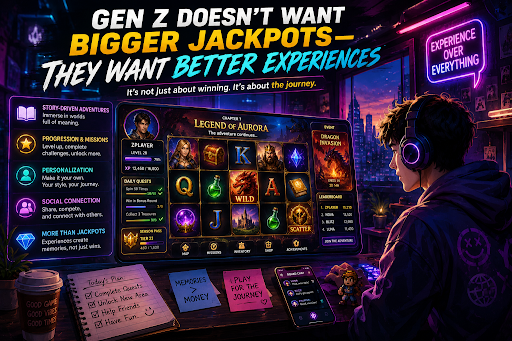
Entertainment has changed in ways many people did not expect. Younger audiences no longer spend hours engaging with platforms simply because rewards are larger or graphics look flashy. Today, users often care more about how an experience feels. Across gaming communities and digital entertainment discussions including conversations that appear on situs slot online platforms people increasingly talk about engagement, progression systems, and immersive experiences rather than simple repetitive gameplay.
Generation Z sits at the center of this shift. Their expectations are different because they grew up in a completely different digital environment.
Gen Z Grew Up in the Age of Interactive Content
Previous generations experienced entertainment differently. Television was passive. Early games often focused on simple objectives and repetitive mechanics.
Gen Z experienced something else entirely.
They grew up with smartphones, multiplayer games, content creators, live streams, and social media platforms. Digital experiences constantly evolved around them.
Because of that environment, younger audiences became familiar with features like:
- Daily rewards
- Character progression
- Achievements
- Unlockable content
- Missions
- Personalization systems
These features created expectations that entertainment should feel active and responsive.
Watching something happen is no longer enough.
People increasingly want to participate.
Bigger Rewards No Longer Guarantee Attention
For years, many entertainment platforms believed larger rewards automatically created stronger engagement.
That idea is slowly changing.
Gen Z often values experiences over outcomes. Winning can still matter, but many younger users care just as much about the journey leading to the reward.
This explains why progression systems have become so powerful.
Completing challenges, unlocking new features, gaining experience points, and discovering content can feel satisfying even without immediate major rewards.
Progress itself becomes part of the entertainment.
This is one reason why modern digital experiences increasingly borrow ideas from mainstream gaming.
Storytelling Creates Stronger Emotional Connection
People naturally remember stories more than isolated events.
Stories give context to actions and create emotional involvement. Instead of repeating the same activity endlessly, users become part of something larger.
Many younger audiences now expect narrative elements because storytelling creates curiosity.
Players want to know:
- What happens next
- What can be unlocked
- Which character appears later
- How the experience evolves
These details transform ordinary interactions into experiences people remember.
Simple mechanics may attract attention temporarily.
Stories create long-term attachment.
Social Experiences Matter More Than Ever
Another major difference is how Generation Z consumes entertainment socially.
Older audiences often experienced games individually.
Gen Z rarely does.
People discover content through short videos, creators, communities, and online discussions. They share achievements, discuss updates, and interact around common interests.
Entertainment no longer ends after gameplay stops.
The discussion itself becomes part of the experience.
That shift changes how platforms and developers think about engagement.
Personalization Is Becoming an Expectation
Another reason younger audiences behave differently is personalization. Generation Z grew up using platforms that constantly adjust content based on interests and behavior. Music recommendations, social media feeds, and streaming platforms all create experiences that feel customized for individual users.
As a result, younger players increasingly expect entertainment to adapt to them as well. Features like customizable profiles, personalized rewards, and unique progression paths create stronger emotional connections. Experiences that feel personal often become more memorable because users feel a sense of ownership and deeper involvement.
The Future Is About Experience, Not Just Rewards
Generation Z is not rejecting rewards entirely.
Instead, they are changing what rewards actually mean.
For many younger audiences, progression systems, emotional investment, storytelling, personalization, and community engagement create more value than simple outcomes.
The future may not belong to experiences that only promise something bigger.
It may belong to experiences that feel deeper, more personal, and worth returning to.